
What’s Different Between Chatham’s MAP, MSCP, and PsyD Programs?
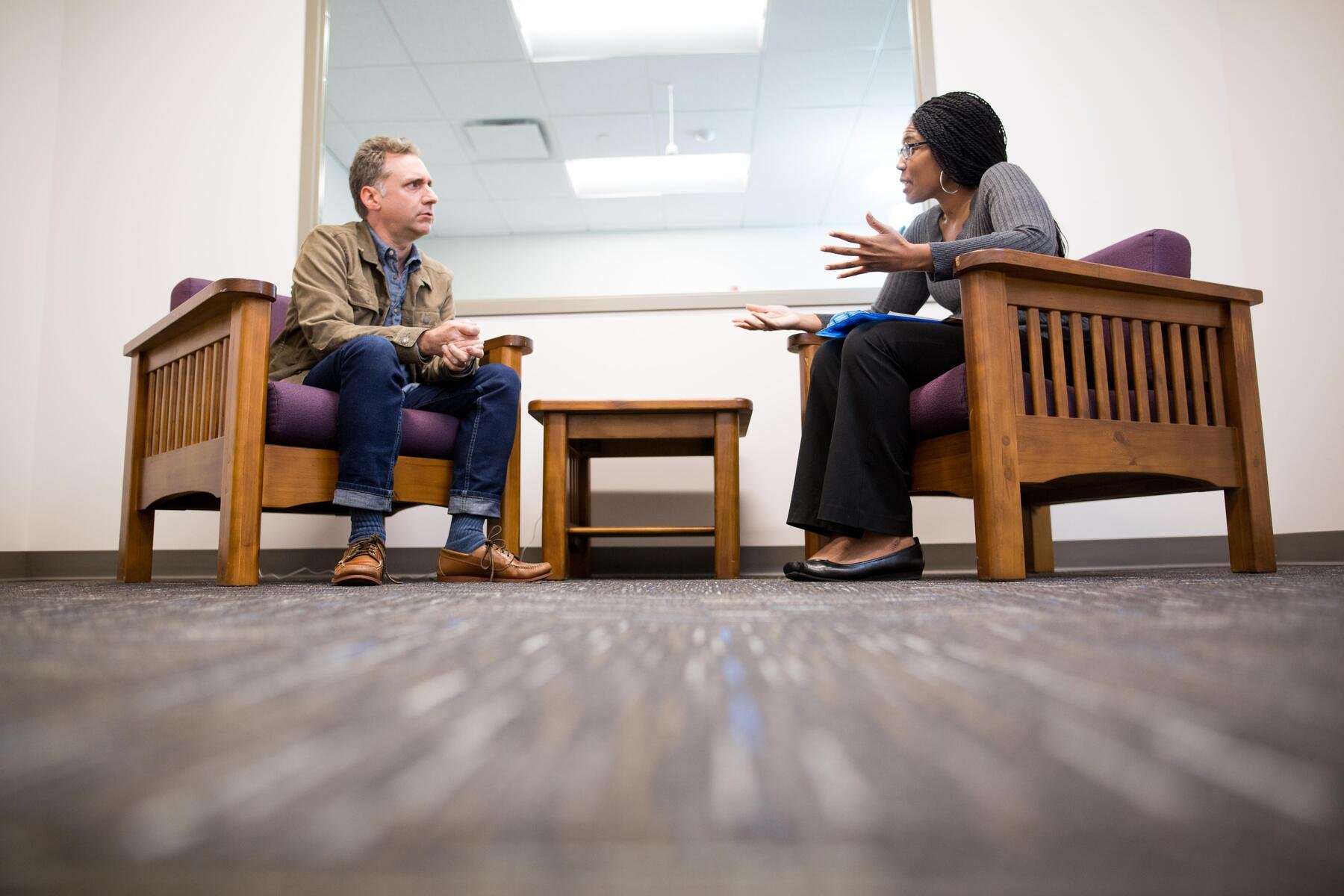
This 2018 file photo shows Screening, Brief Intervention, and Referral to Treatment (SBIRT) training. (Annie O’Neill)
Chatham University’s graduate programs offer students the chance to build strong foundations in the science of psychology while maintaining a commitment to diversity and social justice. But what distinguishes these programs from each other?
Here, Pulse breaks down some of the differences and similarities between Chatham’s three graduate psychology programs: the Master of Arts in Psychology (MAP), Master of Science in Counseling Psychology (MSCP), and the Doctor of Psychology (PsyD) in Counseling Psychology degrees.
Licensure
Only the MSCP and PsyD programs give students the training they need to become licensed counselors or psychologists. However, if students don’t intend to become counselors or psychologists, the MAP program still gives them the foundation they need to pursue work in research settings or enrollment in a doctoral program.
Credits
Chatham’s MAP program is the shortest of the bunch, requiring 36 credits. The MSCP program requires 60 credits for degree completion due to the licensing requirements and clinical practice hours necessary to complete the degree. However, the coursework between the two programs is similar.
For the PsyD degree, students entering with a bachelor’s degree will have to complete 103 credits, but some students with a master’s degree can complete the program in as few as 85 credits depending on which requirements they’ve met.
Classroom and research experiences
Faculty in the psychology department teach courses across the three programs, giving students more opportunities for mentorship, as well as exposure to a diversity of perspectives.
Master’s students also have the experience to get involved in doctoral research, giving them experience they’ll need if they intend to pursue a doctoral program or work in a research laboratory.
While PsyD students take similar courses to master’s students, the PsyD courses are more advanced. Additionally, PsyD students take 12 credits in practicum training throughout their degree.
PsyD students are also required to participate in a national internship matching process. Students in their final year complete a full-year, full-time, doctoral level internship at one of over 600 internship sites, including hospitals, Veterans Affairs locations, college counseling centers, community mental health centers, consortiums, and more.
Field Experience
Master’s and doctoral students all get the advantage of program support and hundreds of placements in diverse settings thanks to Chatham’s partners.
Those experiences include a variety of settings such as intensive outpatient, inpatient treatment, private practice, resident treatment centers, community mental health centers, and integrated care settings.
Plus, students also have the benefit of Chatham’s alumni network, including many alumni who are currently working as licensed professional counselors and psychologists in the greater Pittsburgh area.
Whichever program students choose, they’ll have access to engaged and experienced faculty, opportunities for research, and a supportive environment to help them achieve their academic and career goals.
For more information about Chatham’s MAP, MSCP, and PsyD programs, visit chatham.edu.