
Finals (and Other College-Related) Advice from Your Professors

Finals week— another one of life’s many challenges that can shatter your psyche if you don’t manage your time and stress well. Why not take a step back, relax, and listen to some advice from your professors on how to handle this season. They should know best, after all, they chose a career in education! ☺
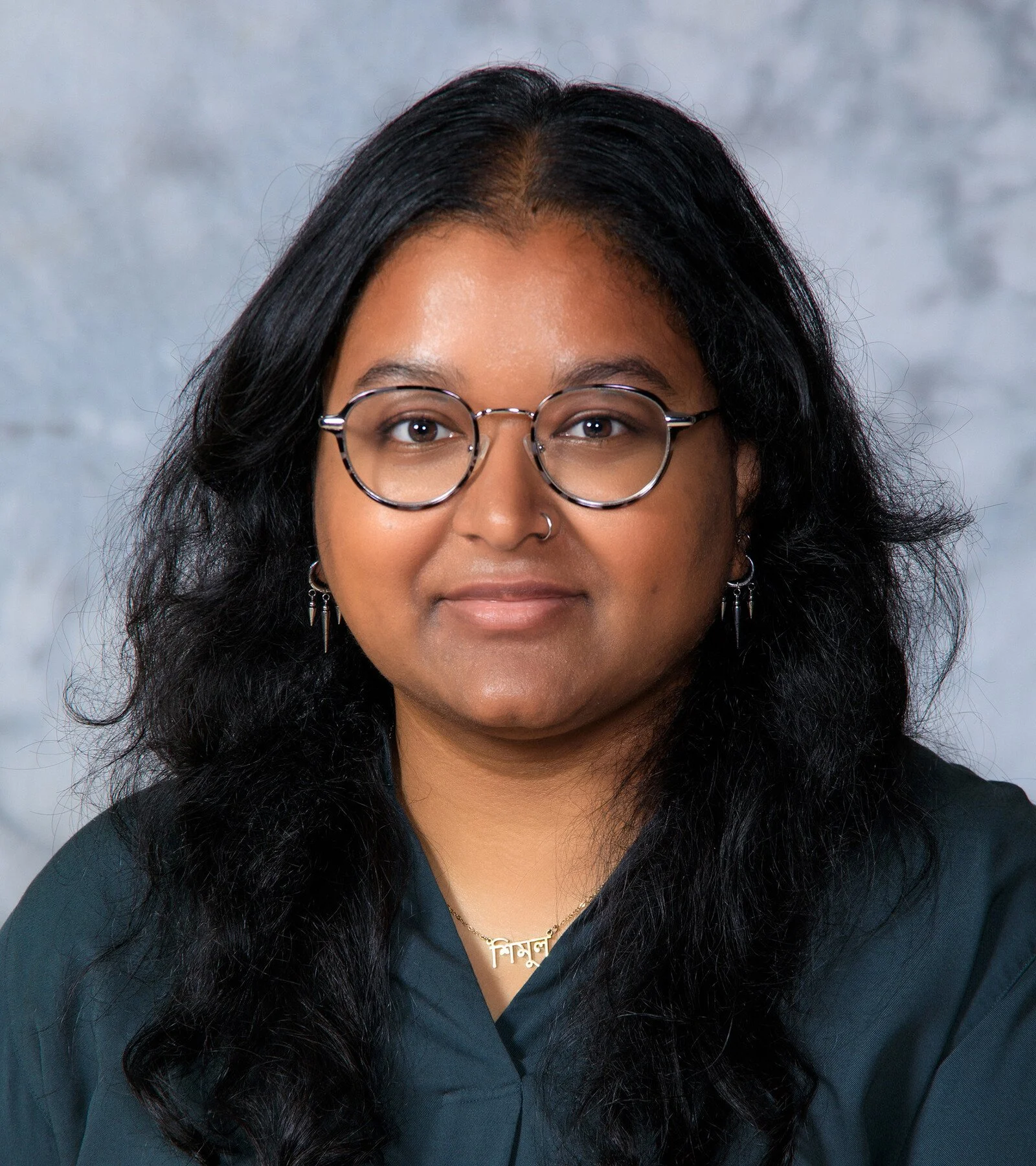
“My advice is to not go through the finals period alone. Go to the library and snag a table or a room! Studying or working together with peers in the same space (even if you're working on different things) can increase focus and productivity. I am a reformed procrastinator and have historically struggled with maintaining focus, so I make sure to schedule productive time with friends who can hold me accountable and vice versa.”
— Shimul Chowdhury, Assistant Professor of Immersive Media

“Your brain works best when you’ve had enough sleep. Study for finals, of course, but don’t sacrifice too much sleep during finals so that your brain can do its best work.”
— Heather Cunningham, Associate Professor of Education, Education Program Coordinator
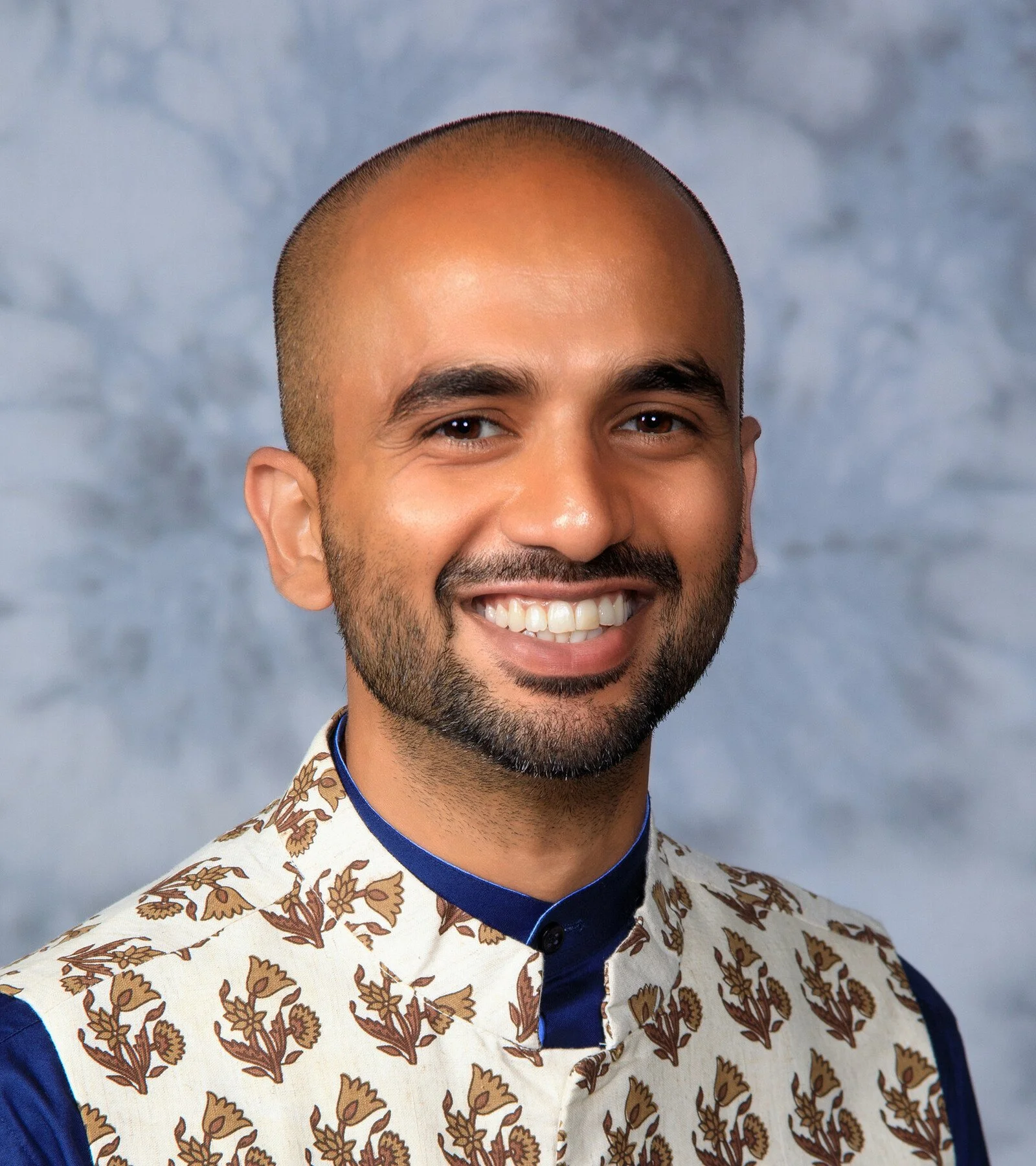
“You're wasting your time by crying.
This is self-evident, I think.
Cry once, not twice.
Don't cry in anticipation. Cry with confirmation.
Part of growing up is realizing that your mistakes cost a lot of money."
— Ryan D’Souza, Assistant Professor of the College of Arts & Sciences

“Don’t wait to do things perfectly—start small and keep going. Steady effort wins in the long run. Mistakes aren’t the end—they’re feedback, a process of learning. Analyze them and grow. You are in a safe environment to make mistakes. When you start to get paid for what you do, it's not the same.”
— Jungook Kim, Assistant Professor School of Business & Enterprise

“The end of the term — and, for seniors, the end of their college careers — can be stressful. If these endings feel overwhelming, try to reframe them. For example, instead of thinking about all of the expectations and due dates during finals week, try taking the week one day at a time. This is an approach I often took working as a reporter and online news editor in newsrooms, where deadlines are always looming. Rather than trying to tackle them all at once, I strived to identify ways to cross items off my action-items list one at a time or ways to break a larger project into smaller steps to make it feel more manageable for me. This strategy could be applied to studying for an exam or working on a course assignment, too. And for seniors, take post-graduation life one step at a time, as well. You don't have to have your next steps all figured out, no matter how many times people may ask you, "What are you going to do next?" You've worked hard to reach this milestone. You deserve to pause and enjoy it.”
— Sara Bauknecht, Assistant Professor of Communications

“Expertise is less about memorized knowledge than the organization of that knowledge. For that reason, students should look for underlying patterns that make several different concepts easier to remember at the same time. For example, encoding specificity (cognitive psych), homogamy (social psych), and the creation of semantic networks (neuro psych) can all be subsumed under the same simple idea: similar things go together. You might be taught these concepts in very different modules with very different examples but the underlying idea is exactly the same. If you can find these underlying patterns you can also make pretty good guesses as to answers to other questions in other classes and regarding other concepts as well.”
— Monica Riordan, Professor of Psychology

“If it feels like there’s too much to do during finals week, that’s because it’s true. There are lots of projects to finish and celebrations to attend and plans to make for the holiday break, and chances are that you can’t do them all at 100%. I like to make a list of ALL the things I have to do and the dates that they have to be done, including the fun tasks and parties. Then I make a priority list of what needs to be done first and with the most effort, sprinkled in with fun rewards and easy tasks for every two or three hard projects. I start working down the list in order, and I make sure not to skip the fun parts! It helps me not to have to keep all the tasks in my head, circling and worrying me. And I can see right there in my own handwriting that I have plenty of time to rest and celebrate, too.”
— Carrie Helms, Associate Professor of English and Chair of the Humanities and Education Department
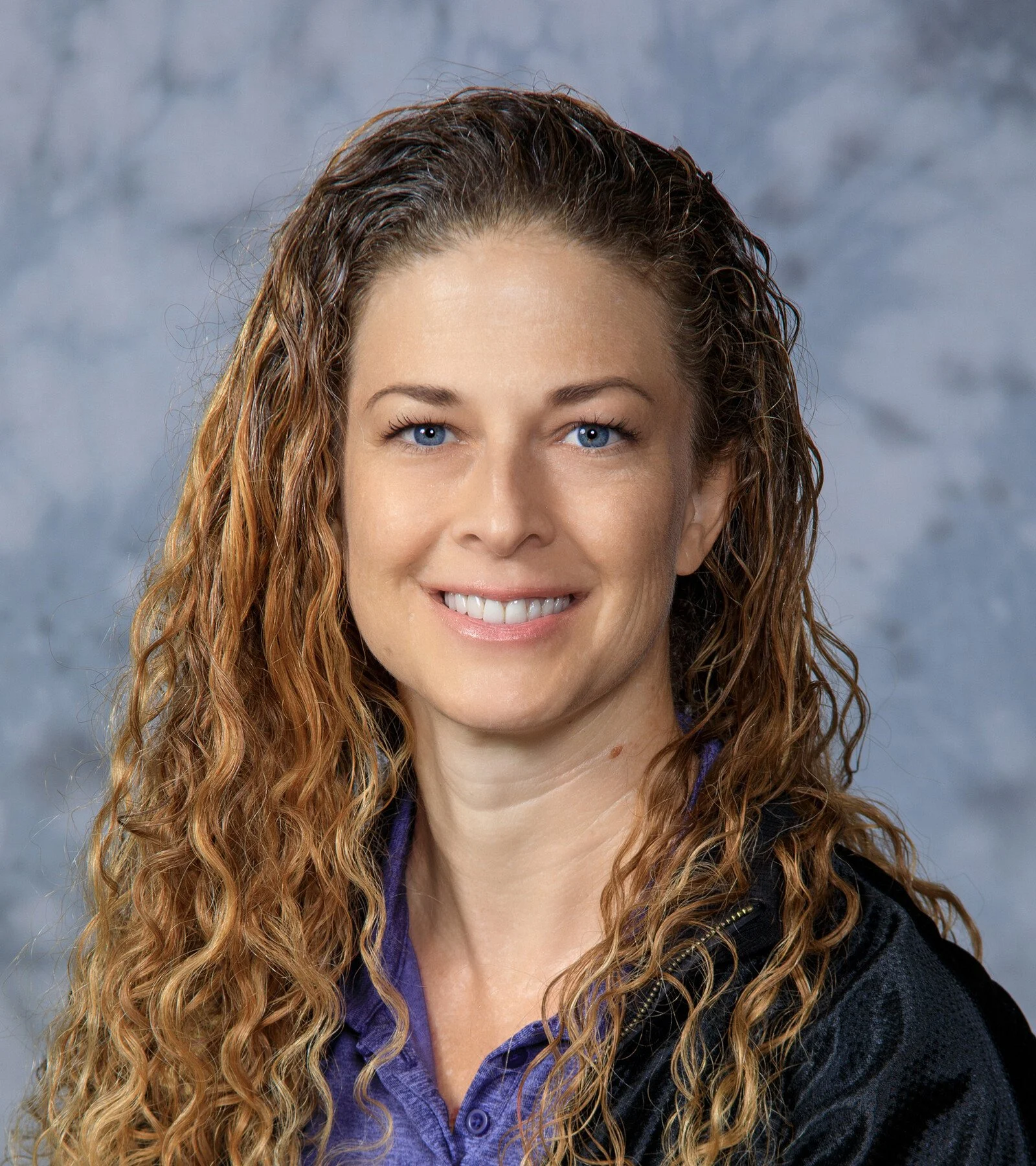
“Perseverance is key during finals. To maintain energy levels, make sure to schedule snack/meal breaks. To keep your brain fresh, schedule mental breaks with some type of fun activity/exercise. Best of luck!”
— Nolynn Sutherland, Assistant Professor of Exercise Science

“The best advice I have ever given to study for a math exam or any other exam really would be to study with a pencil. Meaning actually try to complete the problems over again without looking at the solution. I can read math all day, but the way you can judge if you truly understand it is if you can reproduce it. I would strongly recommend students to study the quizzes and past exams in the course. Also read through the notes and read the book if time allows.”
— Michelle Doyle, Associate Chair of Science Department, Assistant Professor of Mathematics and Physics

"The only thing worse than having to write papers is having to grade them. In seriousness, I would say that you should approach reading from a "you can't stop me reading" rather than "they are making me read."”
— Mary Whitney, Assistant Professor of Practice of Sustainability

“Do not sacrifice sleep! Whatever you are able to cram into your brain in the wee hours will likely be MIA at exam time due to brain fog. On the other hand, caffeine goes a long way. 😊 ”
— Deborah DeLong, Dean of School of Business & Enterprise

“Finals week is a different creature compared to the rest of the semester, so take 15 minutes this last week of classes to sketch out your finals schedule for next week. What does your Reading Day look like? Don’t forget Moonlight Breakfast! Review the final exam schedule - make your list, schedule study times, and most importantly, schedule relaxing/self care time.”
— Alexandra Reznik, Assistant Professor of Humanities, Women’s and Gender Studies Program Coordinator
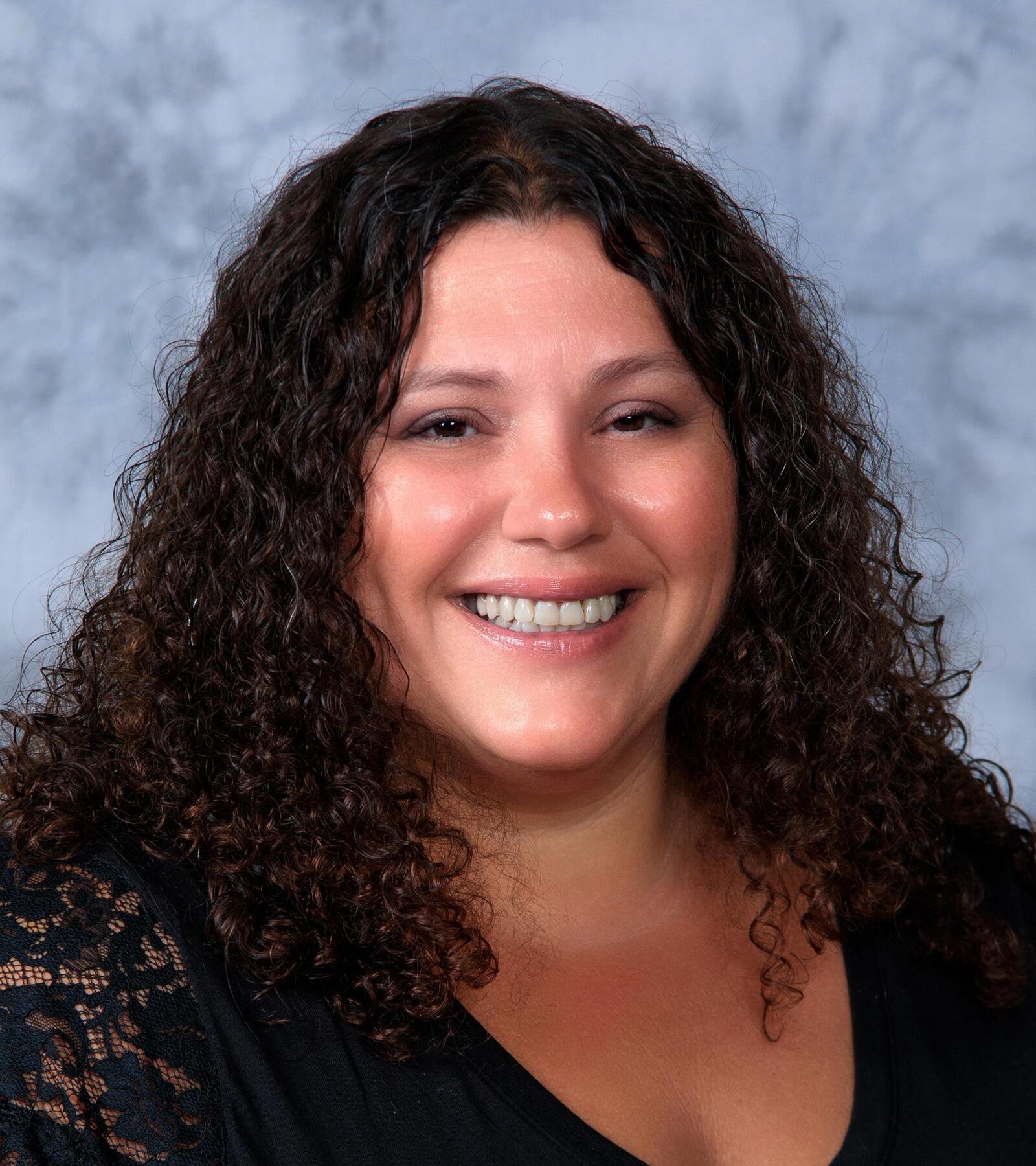
“It’s okay to say, “I don’t know yet.” It’s okay to make mistakes. Asking for help is a strength—keep doing it. Remember that college is just the beginning. Growth isn’t linear—and that’s what’s beautiful about life. You belong here. Not because you get an A (or don’t). Not because you speak up in every class (or don’t). But because you care. You don’t have to have it all figured out. Most of us are still figuring it out. That’s the journey. Your voice matters. You matter. So, as you drag yourself into finals week—sleep-deprived, running on caffeine, and maybe a little anxious about what to expect—remember to give it your best. That’s what counts. If you’ve studied, read, written flash cards, and proofread essays until the sentences blur together, you’ve already accomplished something huge. Be proud of yourself. You’ve earned it.”
— Christie Lewis, Assistant Professor of Education
Lyn Bigley ’26 is a senior majoring in psychology and creative writing. She currently works as a writing mentor and a digital content creator for Chatham University. In her downtime, she enjoys looking at pictures of animals, playing video games, impulse buying, and watching reality TV.